5 Summer Tips to Support Pollinators
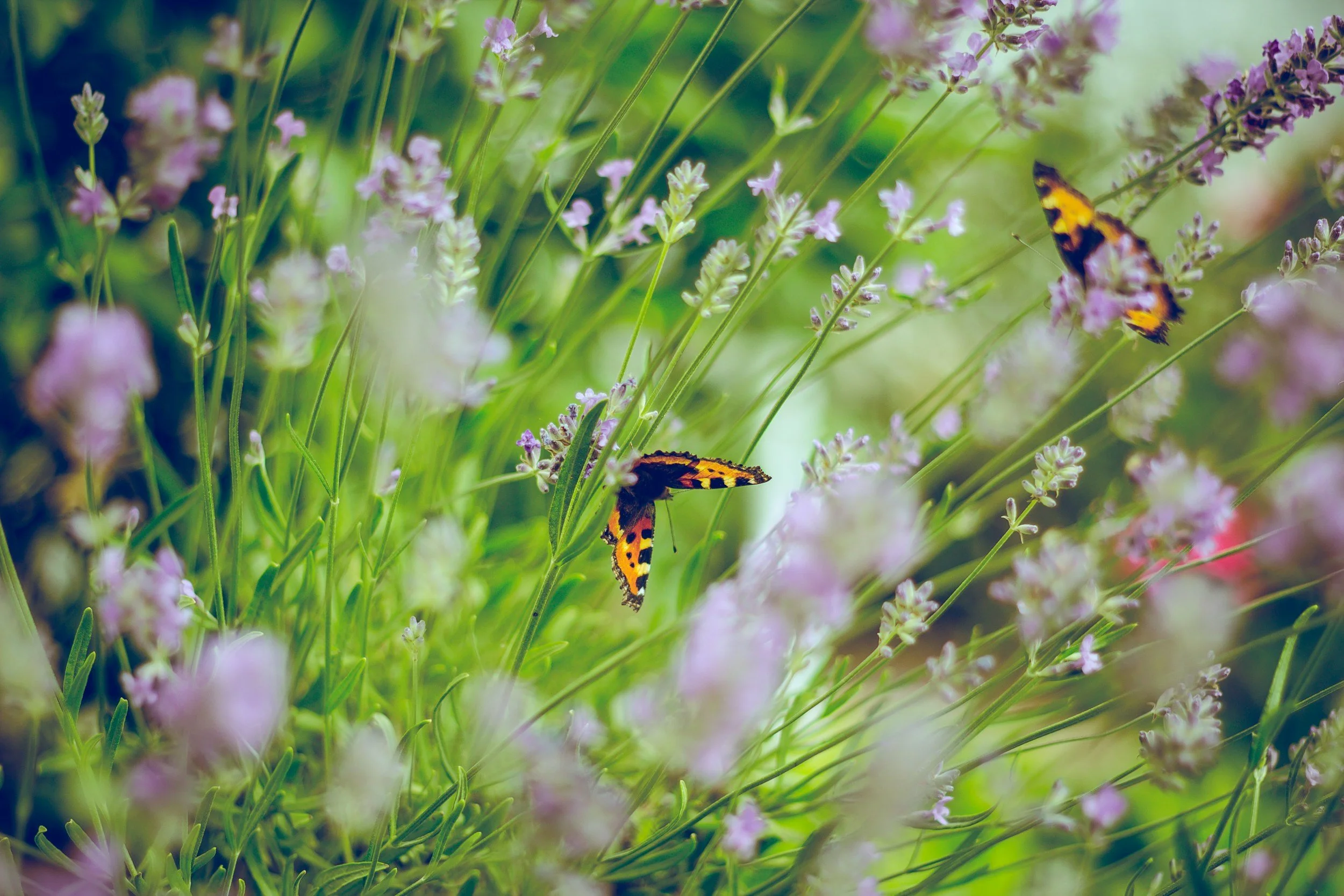
Planting a native pollinator garden is one of the best things you can do to support pollinators. But your contributions to these vital little critters don’t need to end there. As we continue through the dog days of summer, here are 5 ways you can maximize pollinators’ odds of survival and help them perform their vital roles within our ecosystem.

“Patches of Life Pop Up Around My City”: Q&A with Sydney, Our Earth Steward Crew Leader
Our Land Organics’ Earth Steward Crew Leader brings a wealth of knowledge and an eye for detail to all our land care services. Here, she shares her insights into the value of pollinator gardens, tips for native landscape maintenance, what it means for a landscape to be “regenerative,” and more. We hope you enjoy her reflections on the importance of sustainable landscaping.

7 Edible Native Plants to Add to Your Landscape
Not only do plants that are native to our region support pollinators, sustain biodiversity, assist with healthy ecosystem functioning, and beautify our landscapes. Many native plants also offer edible and medicinal benefits for people. This helps explain the growing interest in food forests and other forms of edible landscaping. Looking to add edible plants to your native landscape? Get started with 7 of our favorite native edibles!

"The Natural Environment Sings Out": Q&A with Wes, OLO's Client Relationship Manager
Wes Sexton, Our Land Organics’ Client Relationship Manager, just reached his five-year anniversary with OLO. To celebrate Wes’ contributions to our work, we sat down to ask him about native plants, ecological gardening, working with OLO, and even poetry. We hope you enjoy his thoughtful reflections on the importance of native plant landscaping.

Design Tips for Pollinator Gardens
Pollinator garden design is both an art and a science. It requires a fine balance between multiple considerations at once, particularly aesthetics (for the people who spend time around our gardens) and ecology (for the pollinators who use these gardens for sustenance). Read on to learn some fundamental native landscape design principles!
How to Choose the Best Native Plants for Your Landscape
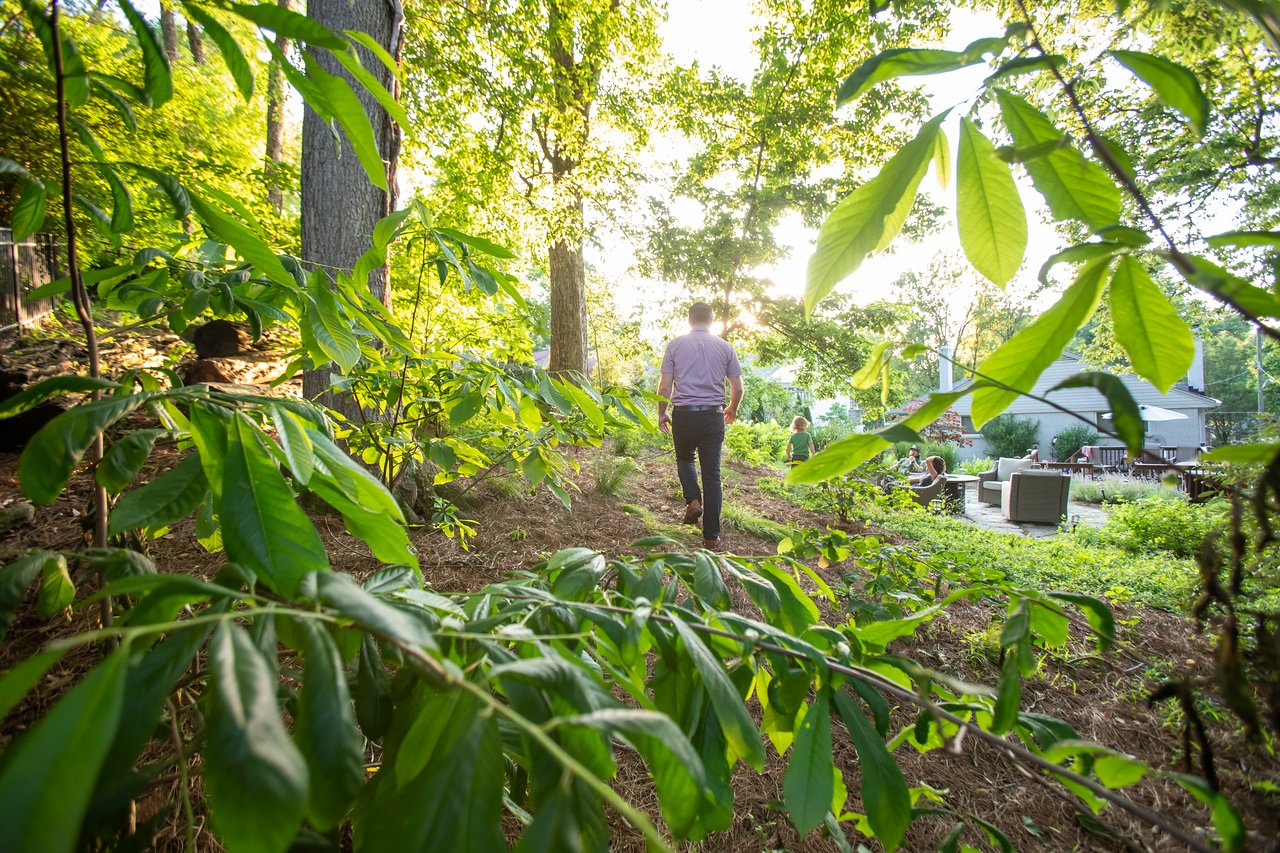
Native plants happily grow in a wide variety of conditions. But they all have their own preferences, so it’s important to match the plant to the site. As with more conventional gardening, the old adage applies: “Right plant, right place.” Here are 5 tips to help you choose the right native plants for your specific landscape.

Now's The Time to Remove Invasive Honeysuckle
If you have woodland spaces on your property, you have an opportunity to change the trajectory of our forests and create a lasting legacy for your land. What’s more, your landscape and family will benefit.

What Does It Mean To Be a Natural Landscaping Company?
The demand for natural landscaping is growing, and that’s great news! We’re thrilled that more and more people are interested in ecologically sound landscaping practices. But the term “natural landscaping” isn’t strictly defined, and there can be some confusion about what it means in practice. So, we wanted to take a moment to define what natural landscaping means at Our Land Organics.