A Case Study for Using Native Plants in Formal Landscaping (Cincinnati)

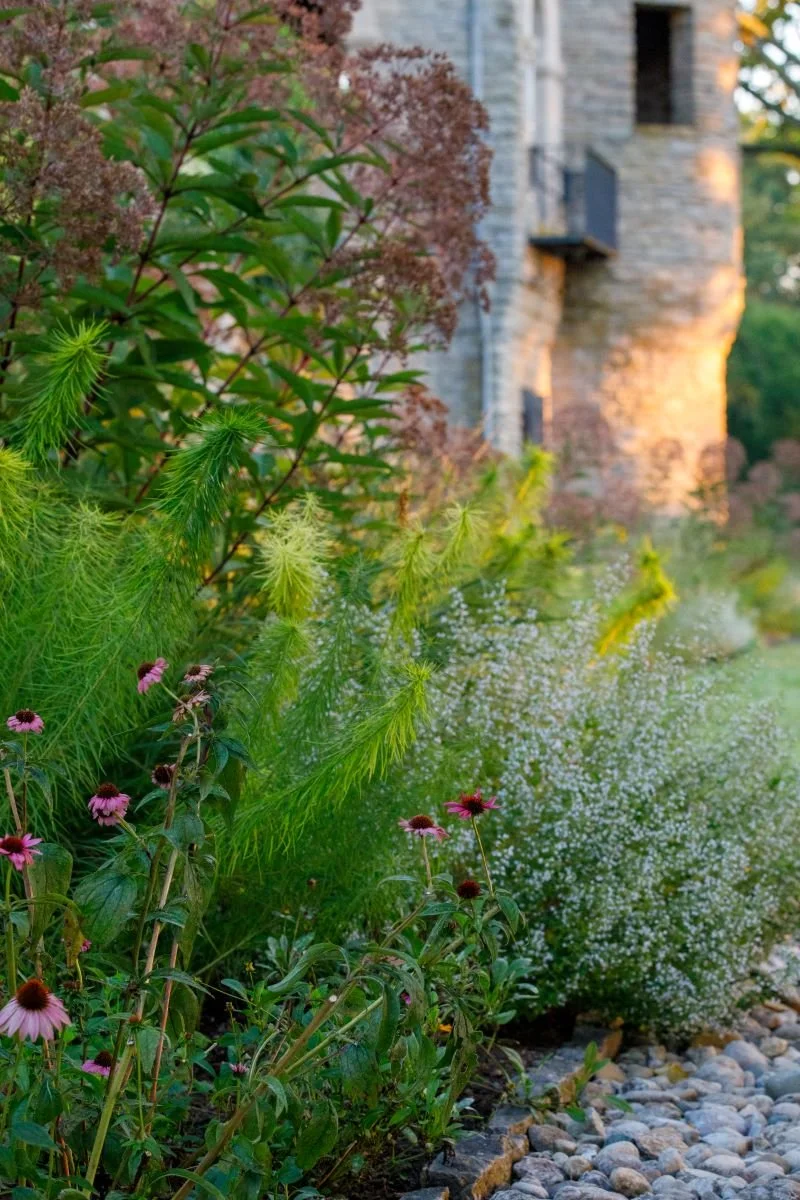
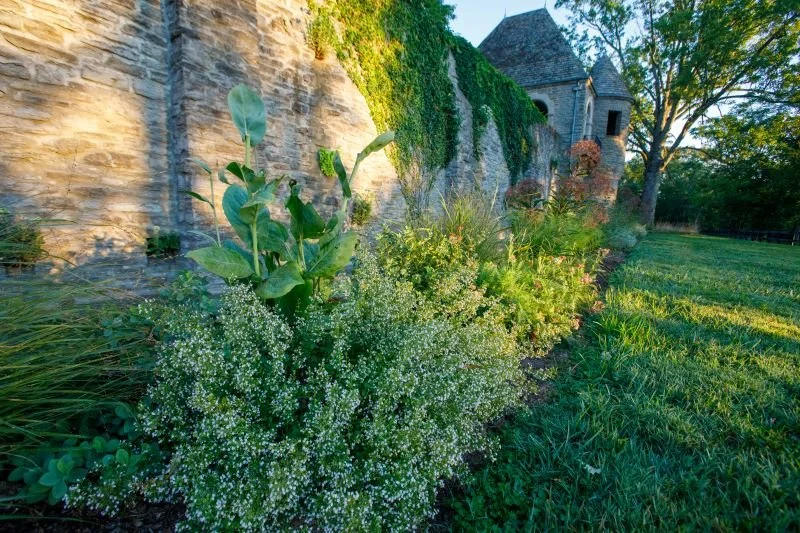
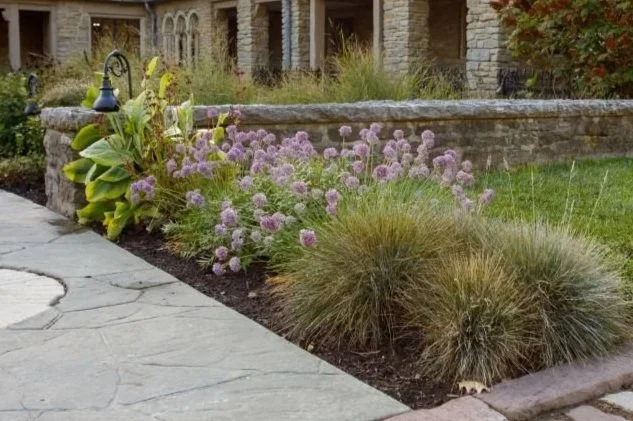
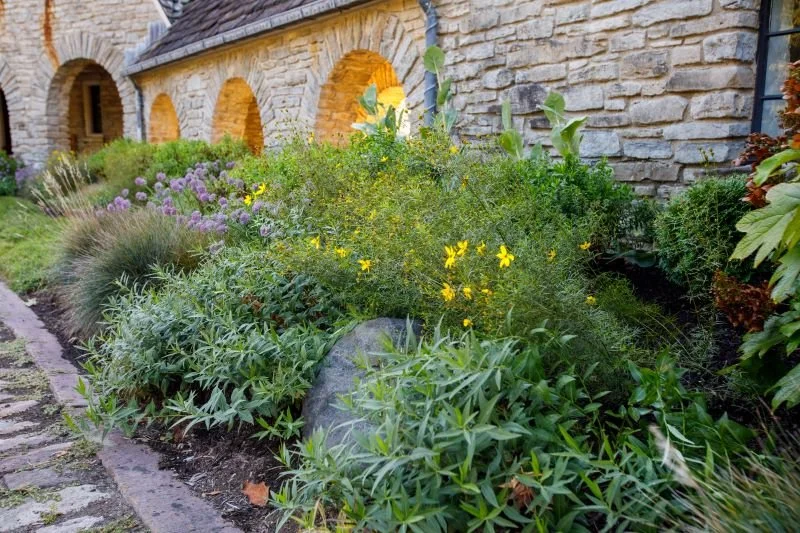
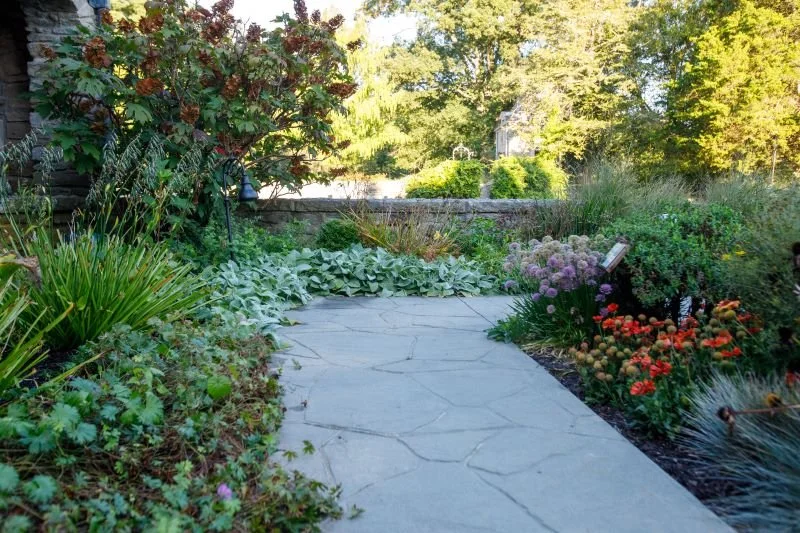
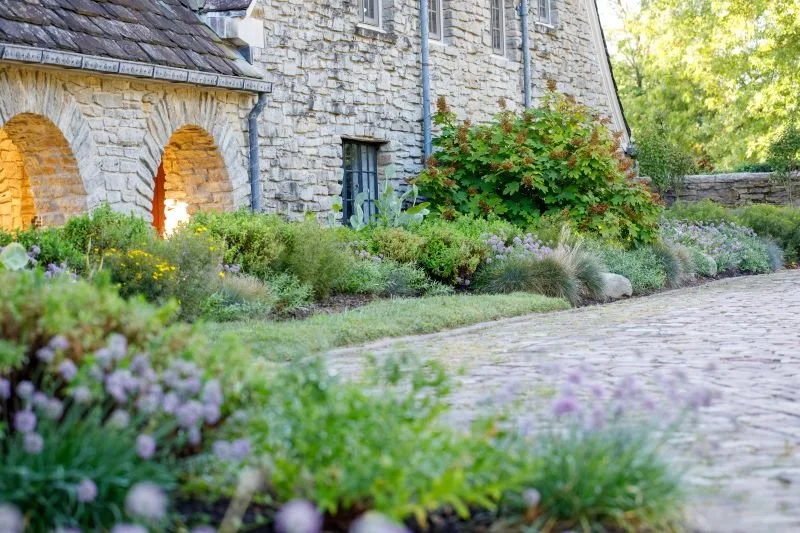
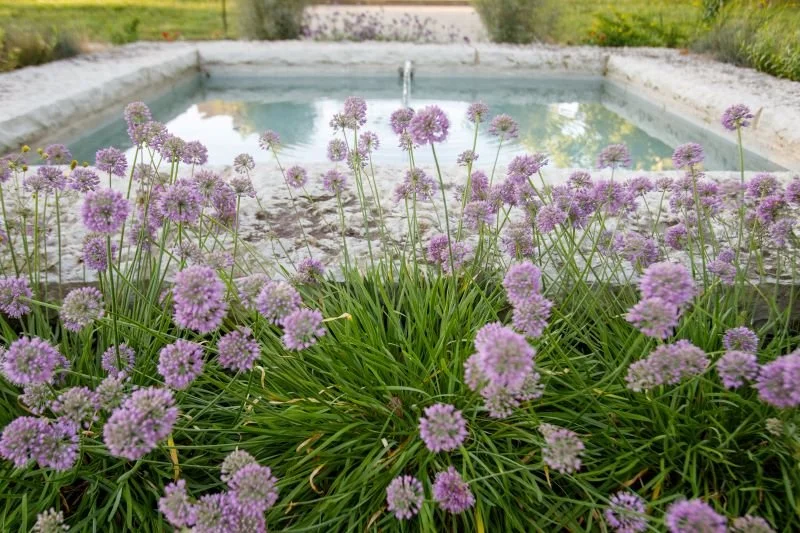
AFTER: Native plants integrate seamlessly into these formal gardens (Our Land Organics design & installation)

The Challenge

When the owners of an educational farm and event center reached out to us, they were hoping to resolve several issues with their existing conventional landscaping. 

Most notably, the conventional landscaping in place was very water-hungry, which was draining resources. It was also proving increasingly susceptible to disease and pest problems. 

The clients hoped to address these issues via the use of native landscape plants. They also wanted to turn their property into an educational case study for utilizing native plants in a more formal setting. 
The Transformation

Incorporating native plants in a formal landscape setting requires the use of repetition and proper spacing to create a balanced and legible feel

With this in mind, we began with a careful assessment of the property and its existing landscaping and hardscaping. 

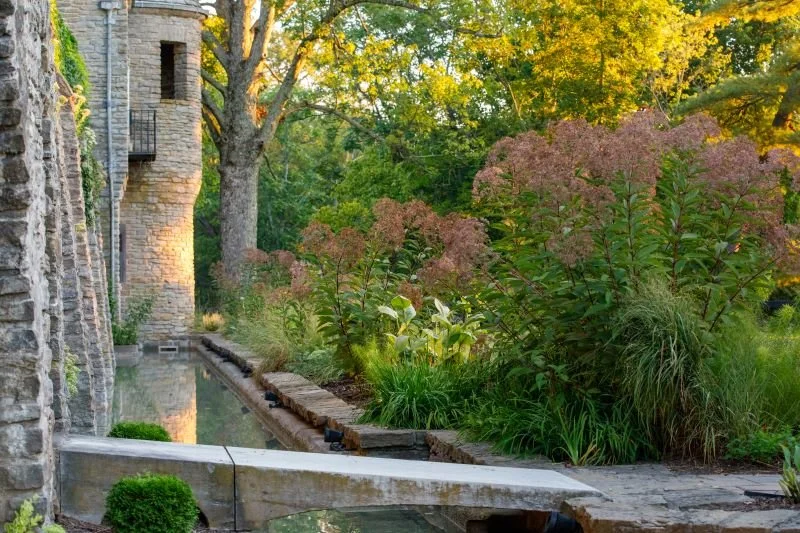
The character of the site’s hardscaping is quite unique. The varied spaces offered the option to include larger native perennials along with opportunities to create repetitive patterns that looked both formal and natural at the same time. The classic rectilinear walkway lines allowed us to develop a planting layout that balanced a formal presentation with looser naturalistic forms within the walkways’ boundaries. 

Because the property serves as an educational space for visitors, we curated a diverse plant palette that showcases the broad range of possibilities offered by landscaping with native plants, including plants that visitors might not have been familiar with.  

The Takeaway 

Native plants can integrate beautifully with formal landscaping. For optimum presentation, careful plant selection and site analysis are key. 

When curated correctly, the combination of formal and naturalistic landscaping can conserve resources, enhance ecological wellbeing, and maximize aesthetic appeal.