“I Want to Create Places that Give Something Back”: Q&A with OLO Founder John Hemmerle (Pt. 2)
In Part 1 of our conversation with Our Land Organic’s founder, John Hemmerle reflected on the founding principles of Our Land Organics, how the company has evolved, and some of the changes he’s seen in the landscaping industry over the last 12 years.
Here, John shares some of his hard-earned insights and favorite lessons related to native landscaping and ecological landscape design. We hope you enjoy his thoughtful reflections!
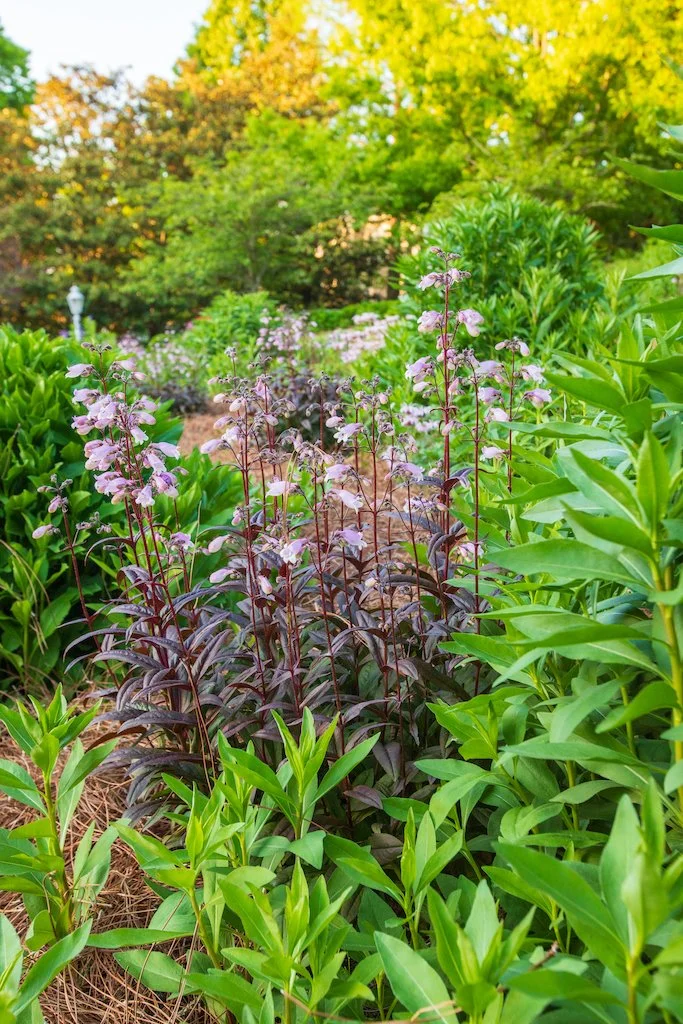
Native plants embodying the principle of “Right plant, right place” in an Our Land Organics landscape design & installation
What drew you to ecological landscaping?
The authors and practitioners I’ve been inspired by (including Rick Darke, Doug Tallamy, Claudia West, and Thomas Rainer) have documented and demonstrated the beauty and functionality of ecological landscaping so well that, for me, it just clicked.
Right plant, right place.
Once you begin to understand the logic behind this philosophy, it’s hard to unsee it. And it’s fun to work with plants that actually want to be here.
For me, there’s also a stewardship component. If we’re going to do this work, we want it to be a net positive. I don’t want to simply maintain ornamental landscapes that provide little value beyond aesthetics. I want to create places that give something back.
I don’t think we’d be doing landscaping if we weren’t doing it this way.
“If we’re going to do this work, we want it to be a net positive. ... I don’t think we’d be doing landscaping if we weren’t doing it this way.”
How would you describe your approach to landscape design?
My approach starts with the site: understanding the soils, water, sunlight, existing conditions, and overall context. From there, it’s about weaving those realities together with the client’s vision and goals.
I like to let the ecology and the place lead us toward plant choices and natural materials that feel like they belong there. Unless a client has a very specific stylistic vision, we don’t want to force a particular style onto a property. When a landscape feels forced or overly trendy, it can stick out and eventually feel dated.
The goal is to create something that feels like it belongs there, something with longevity that becomes part of the larger landscape rather than simply sitting on top of it.
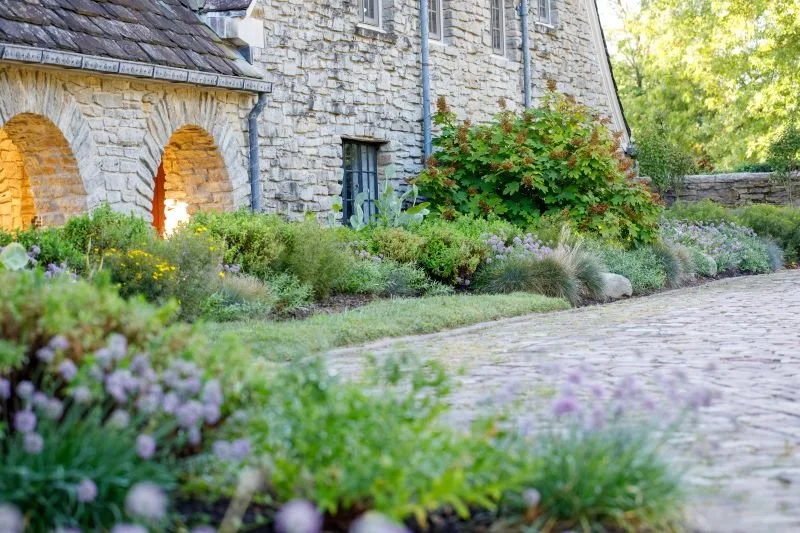
An Our Land Organics design with attention paid to multiple layers in the yard, from groundcovers to herbaceous and woody perennials
What are some of your favorite native landscape design tips?
One of my go-to design principles is to fill the space in layers. Groundcovers, perennials, shrubs, and trees can work together so the soil is protected and the plants begin to knit together.
When the site allows for it, we lean heavily on the idea of a living mulch: a continuous groundcover layer rather than relying on large areas of traditional mulch between individual plants.
It’s less about designing a collection of individual specimens and more about creating a community of plants that work together. That can make a landscape more resilient, ecologically valuable, and visually cohesive.
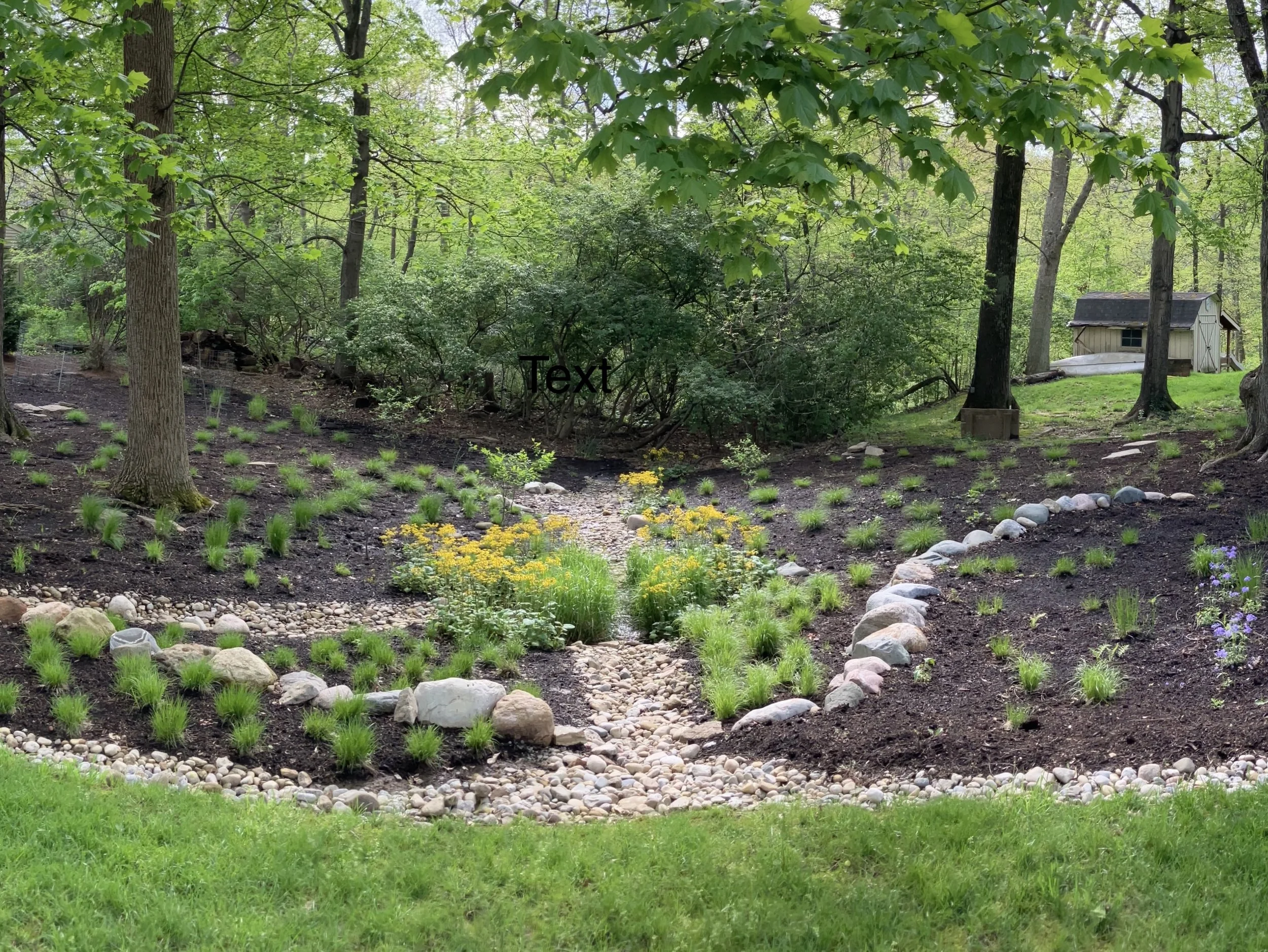
A rain garden featuring native plants (including native sedges) that will beautify the client’s backyard while improving stormwater management and overall drainage (Our Land Organics design & installation)
What’s something about ecological landscaping that delights you?
I love how alive a place can feel when the plant choices really fit. It’s more dynamic, more interesting, and people actually notice it.
So much conventional landscaping has become cut-and-paste to the point where you almost don’t see it anymore. When you introduce more dynamic plant communities and thoughtful design, the experience changes.
It feels intentional. It feels like somebody cares about that particular place.
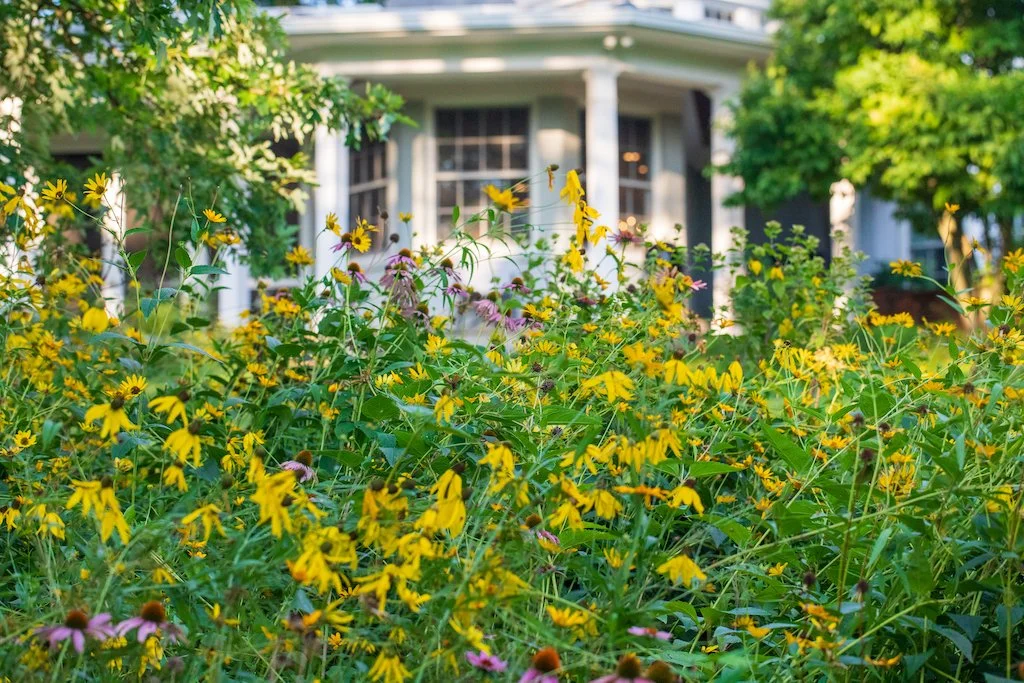
A vibrant pollinator meadow supports native ecoystems while reducing lawn maintenance (Our Land Organics design & installation)
How has the field of ecological landscaping evolved since you founded OLO?
The field has really come into its own. There are great practitioners around the country who have been doing this work for decades, and we’re now benefiting from their experience being documented and shared more broadly.
There are professional organizations dedicated to ecological landscaping, nurseries are responding with better availability of native species, and these plants and ideas are becoming much more ubiquitous in landscape design.
What once felt niche is moving toward the mainstream. Culturally, we’re beginning to reconsider some of the traditional landscape aesthetics and practices of the last several decades that simply aren’t sustainable.
“I hope we get to a point where we don’t really need to call it “ecological landscaping.” These ideas simply become the normal way we landscape where we live.”
What do you anticipate for the future of ecological landscaping?
I think the industry as a whole is going to continue moving in this direction. I don’t see ecological landscaping as a trend. I see it as an evolution in how we understand and care for landscapes.
Native plants that historically weren’t considered ornamental, or didn’t fit the conventional idea of a well-kept landscape, are increasingly being recognized for both their beauty and their ecological value.
I think our understanding of what a beautiful, well-kept landscape looks like will continue to expand as a result.
Ultimately, I hope we get to a point where we don’t really need to call it “ecological landscaping.” These ideas simply become the normal way we landscape where we live.
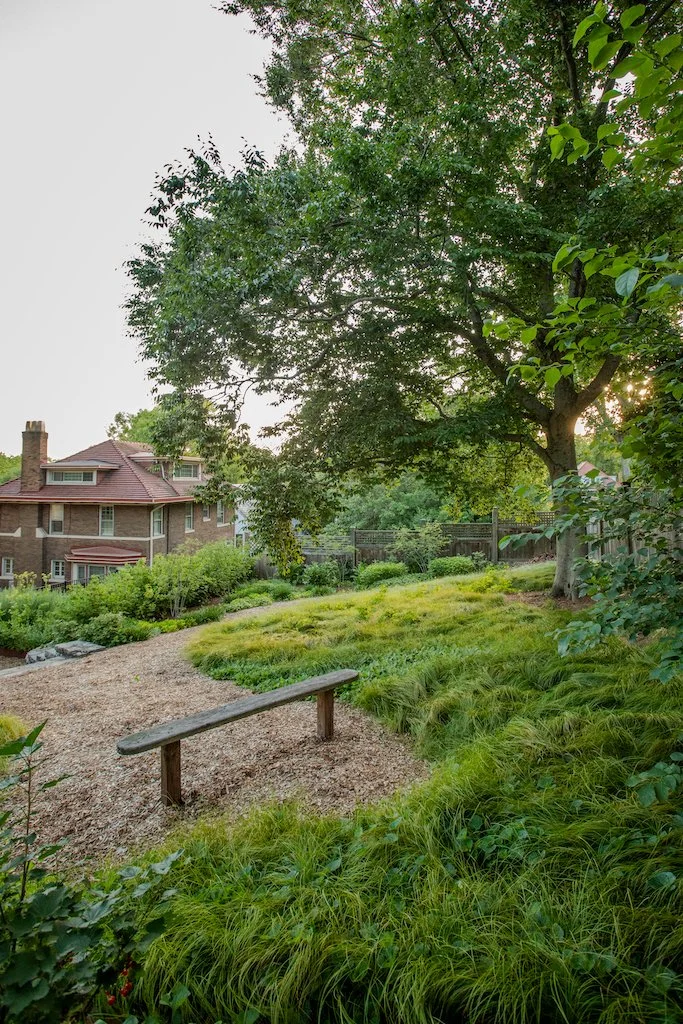
An Our Land Organics ecological landscape design & installation featuring native sedges and other native plants